

About Us
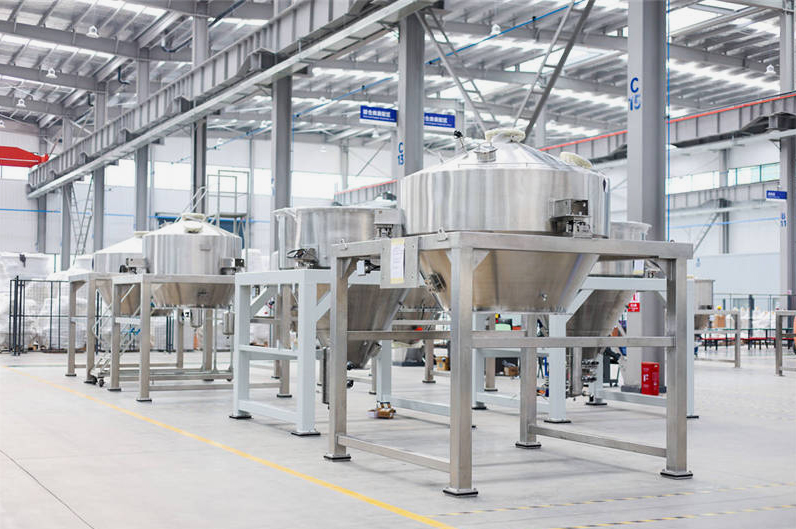
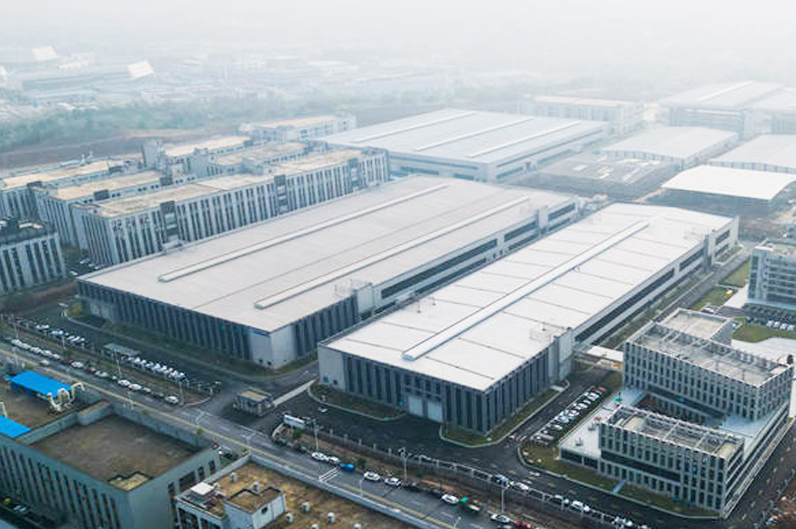
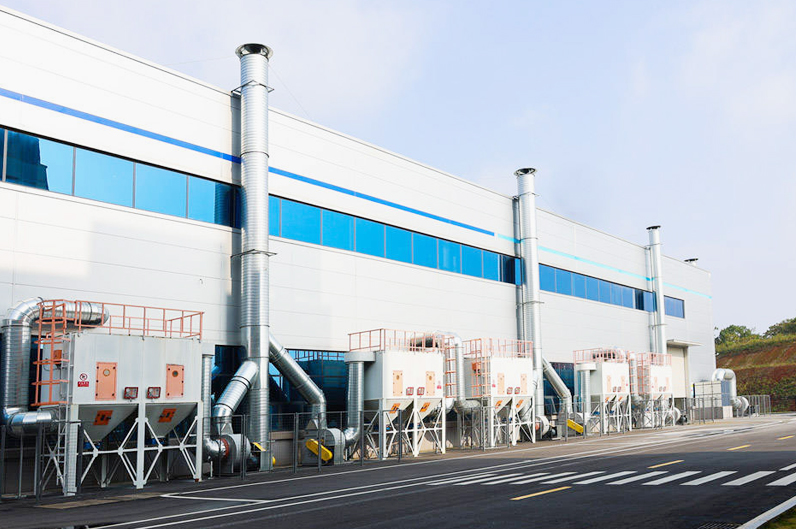
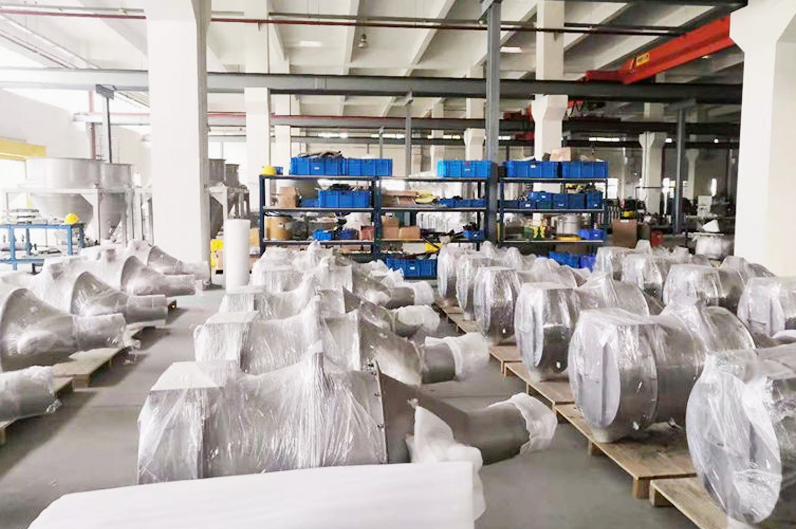
Wanjia Industrial has numerous engineering design and electrical automation professionals, with strong technical strength and a focus on new product research and development. Strong innovation awareness and ability to develop new products. Wanjia Industrial continuously achieves self-development in its growth. After years of development, the company has become a manufacturer of powder conveying, dust control, exhaust gas purification, powder transportation system engineering support, and industrial automation integration..
Learn more
Focusing on pneumatic conveying equipment
13 Year
Certified Quality System
ISO
-
When should I choose dense phase instead of dilute phase pneumatic conveying?
+ -Dense phase is usually considered when the material is fragile, abrasive, or sensitive to breakage and dust generation. Dilute phase is more common for lighter, free-flowing products that can move at higher velocity without damage concerns. The decision should be based on material behavior, not just distance or capacity. -
What is the difference between pneumatic conveying and a standard conveying system?
+ -Pneumatic conveying uses air flow inside enclosed pipelines to move dry material, while other conveying system designs may rely on belts, screws, or mechanical movement. The enclosed method is often preferred when dust control, cleanliness, routing flexibility, or contamination prevention are priorities. The best fit depends on the material and the process environment. -
How do I compare pneumatic conveying system suppliers for a new production line?
+ -Look at application experience, engineering support, integration capability, and how each supplier sizes the system around your plant conditions. Ask about material testing, expected throughput, air requirements, maintenance points, and performance on similar projects. Good supplier evaluation is less about who offers the most options and more about who solves your specific transfer problem clearly. -
What should I ask before requesting quotes from pneumatic conveying system manufacturers?
+ -Pingxiang Wanjia Industrial Co., Ltd. informs you of the material type, packing density, particle characteristics, required speed, wiring path, and how the system will be connected to existing equipment. You should also inquire about control, cleaning requirements, inspection requirements, and what assumptions were used when determining the size of the proposal. Better quotation comparison comes from providing the same operational situation for each supplier.
-
Air Conveyors and Specialized Configurations
+ -Air conveyor manufacturers may also support specialized configurations for lightweight parts, packaging components, or specific production layouts where directional air flow helps move items efficiently. While not every application calls for the same conveyor design, directory users often compare system style, conveyed material, and line configuration side by side before shortlisting suppliers. That makes category coverage important for buyers who need to browse beyond a single pneumatic conveyor type. -
Industries That Use Pneumatic Conveying Systems
+ -Food and beverage processors often need pneumatic conveying systems that keep flour, sugar, spices, and powdered ingredients contained while supporting washdown and sanitation goals. Pharmaceutical manufacturers look for vacuum conveying and dense phase handling that protects powders, tablets, and sensitive blends from contamination and product loss. Chemical plants often require pneumatic transport for resins, additives, and fine powders with controlled transfer between storage and mixing points. Plastics facilities use pneumatic conveyor systems to move pellets and regrind to molding or extrusion equipment. Agricultural and mineral operations rely on bulk material transfer equipment that can handle grain, seed, ash, and similar dry products efficiently across longer distances. -
Pneumatic conveying system Comparing Throughput and System Capacity
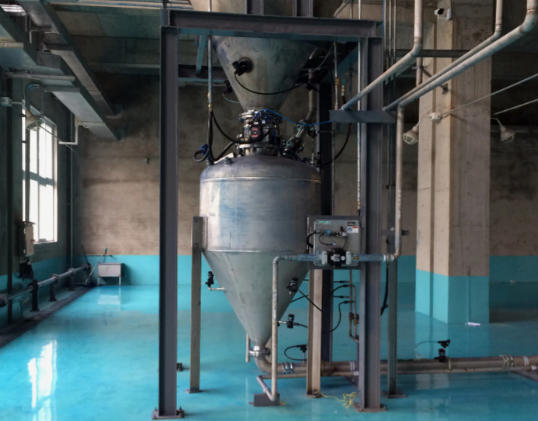
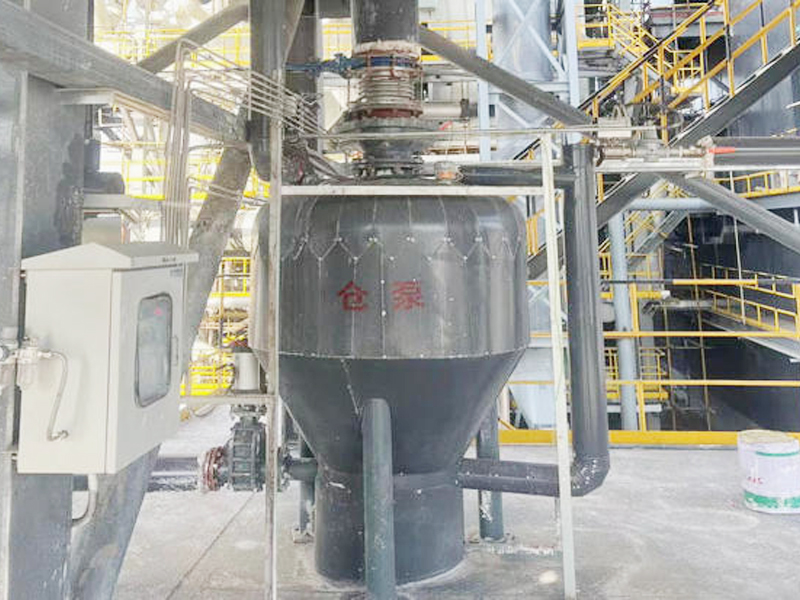
+ -Pneumatic conveying system Production volume should shape the first round of supplier comparison. A buyer moving small batches between process points may need a very different pneumatic conveying system than a plant feeding multiple lines continuously. Throughput targets, transfer distance, material density, and pickup frequency all affect blower sizing, line diameter, receiver design, and overall system cost. -
Pneumatic conveying equipment Material Characteristics and Process Design
+ -Pneumatic conveying equipment Process type matters just as much as output. Free-flowing powders and pellets may work well in higher-velocity pneumatic conveying setups, while friable or abrasive materials may need lower-velocity handling to reduce degradation and equipment wear. Buyers researching pneumatic transportation should compare how each supplier designs for material characteristics rather than assuming one system style fits every product. -
Pneumatic conveyor Equipment Integration and Plant Layout
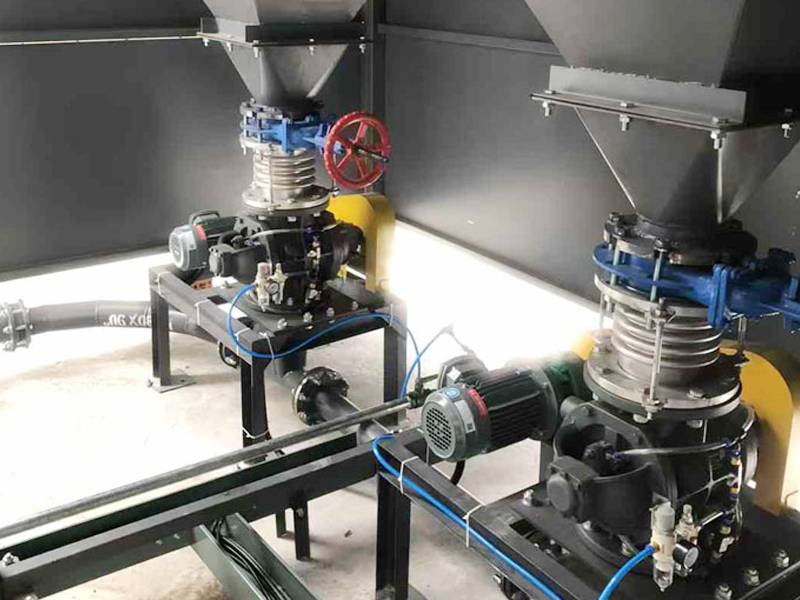
+ -Pneumatic conveyor Integration with existing lines is another major buying factor. Many buyers are not starting from an empty floor plan; they are adding equipment to silos, mixers, feeders, packaging stations, or dust collection systems already in place. Supplier discussions should focus on controls, available footprint, routing constraints, maintenance access, and how the conveying system will connect with upstream and downstream equipment. -
Pneumatic conveying equipment Inspection, Certification, and Compliance Requirements
+ -Pneumatic conveying equipment Inspection and certification requirements can narrow the field quickly. Food, pharmaceutical, and regulated process environments may require sanitary finishes, validation support, documented material compatibility, or safety-focused design details. Buyers should ask suppliers which standards they design around, what testing they provide, and how their equipment supports audit readiness where applicable.
We value your privacy

We use cookies to personalize and enhance your browsing experience on our website. Clicking "Accept All Cookies" indicates your consent to their use. Read our Cookie Policy for more information.